question

What modulates our Sun? The majority of science work on the principle that the Sun is self modulating and each solar cycle is a product of a random number generator. There are others that suspect the Sun is modulated by the planets with a special emphasis on Uranus & Neptune. Thanks to Carl Smith who has recently left us we have new knowledge that significantly adds to Jose, Landscheidt & Charvàtovà's work.

Geoff Sharp
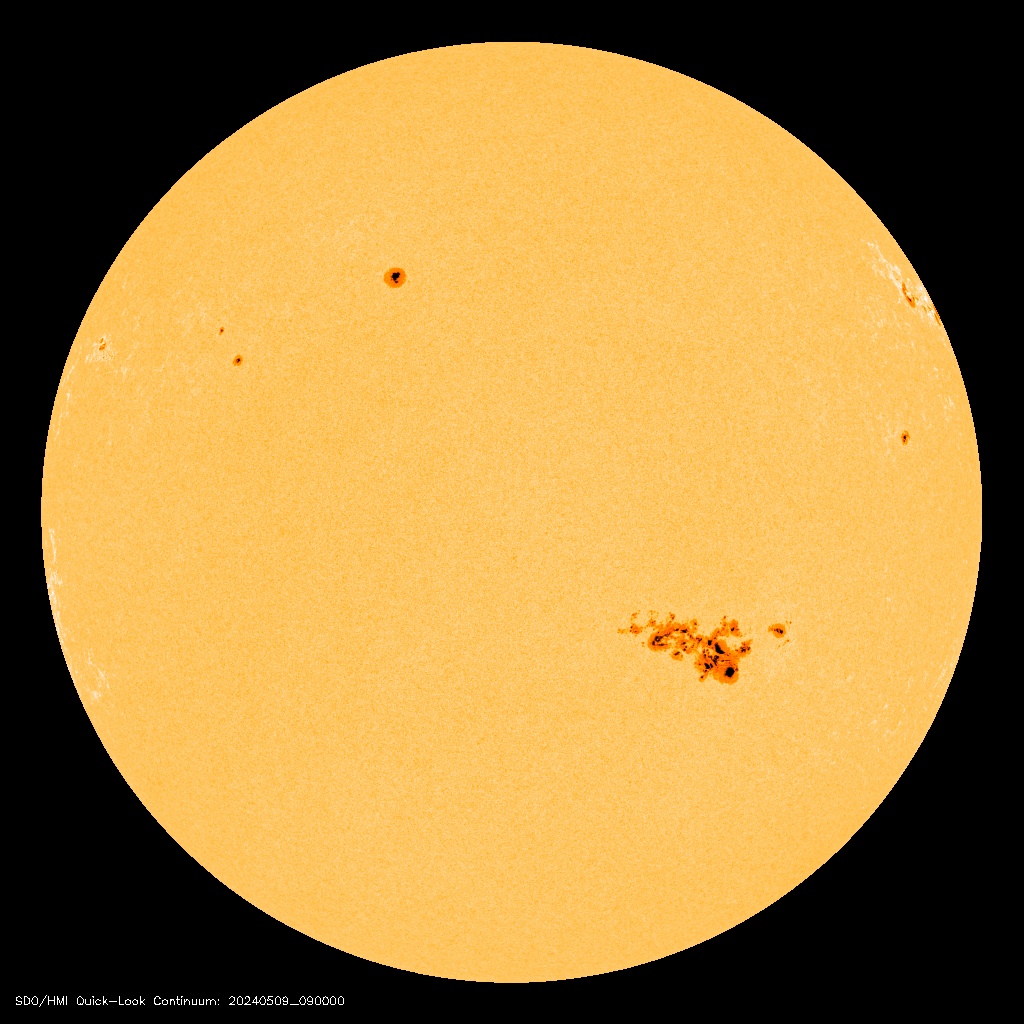
Solar Cycle 24.

1040 has been the first properly repeating region (region 1) with 1039 threatening to become the second. I am keen to see if that happens, how the rest of the indicies respond with an expected larger background magnetic area.

Comments

F10.7 Flux


f10.7 flux 

Just to keep things in perspective...this graph (outliers clipped) showing F10.7 flux since 2004 (way after sunspot max)


Solar Cycle 24

Look at that STEREO BEHIND !

It's getting late in the cycle ramp to be having things like that showing up.  This is make or break for SC24.  Some time ago, I gave the probabilities for SC24.  Current behavior seems to fall somewhere between Dalton and Maunder.  The 10.7cm Flux and Sunspot Area are doing a roll-down, and that puts us right back into an SC5 or worse track.  Several things can happen from here, starting with the highest probability:

1.) SC24 rolls down, but not to 2008/09 levels.  Slope is SC5 or thereabouts.

2.) SC24 rolls down and goes to 2008/09 levels.  Slope is well below SC5, and may be a total cutout (as in a failed cycle)

3.) SC24 stops rolling down immediately, and heads up to a medium cycle.

Option #1 is most probable, #2 is possible, but will take much time to diagnose, and #3 is very un-SC24 like behavior. Perhaps the most unsettling behavior of SC24 is just how much it hesitates.

As the old saying goes, 'He who hesitates is lost'.  SC24 is hesitant, and that's a consistent behavior.

Counting phantom spots

It has once again come to the SWPC/NOAA count stuffing circus.

Recently, many spots were counted well before they appeared, and well after they have disappeared.  Some never really were visible by traditional means, i.e. - projection.

It has come to my attention when viewing SOHO MDI Continuum images on LCD monitors that much more is visible than on a CRT.  I base my visibility on CRT, which I still use, and my 70mm F/10 refractor which I project from.  I can still see more on SOHO than I can project, and this is how it should be, for SOHO has no atmosphere to contend with.

Using a LCD display will increase the number of spot visible, right down to the level of incredulous.  Nobody 150 years ago would have seen these spots.  Today's achromats and coatings make a 70mm scope the equal of a Fraunhofer 4" in it's day.  Not only that, but eyepieces are critically improved.  So much so, that to take a 4" refractor of today and compare it to 150 years ago would be highly unfair.

Bottom line is that the  SWPC/NOAA spot count is disconnected from the 10.7 cm Flux, having no basis in reality. The Layman's spot count is vindicated by the work of Debrecen Observatory in Hungary, which has brought it's area counting software to bear on the latest spots. http://fenyi.solarobs.unideb.hu/SDD/QL/2010/index.html

When using the whole spot area of Debrecen (or Layman's Spot Count method) use the formula

Wolf# = Area *.27 * x^y .775 in the Windows Calculaltor.  Compare the results to SWPC/NOAA and watch the latter fall on it collective face.

Layman's Count

It has come to my attention when viewing SOHO MDI Continuum images on LCD monitors that much more is visible than on a CRT.  I base my visibility on CRT, which I still use, and my 70mm F/10 refractor which I project from.  I can still see more on SOHO than I can project, and this is how it should be, for SOHO has no atmosphere to contend with.

Using a LCD display will increase the number of spot visible, right down to the level of incredulous.  Nobody 150 years ago would have seen these spots.  Today's achromats and coatings make a 70mm scope the equal of a Fraunhofer 4" in it's day.  Not only that, but eyepieces are critically improved.  So much so, that to take a 4" refractor of today and compare it to 150 years ago would be highly unfair.

Hi Robert, this kind of test along with the area calculation on the Wolf number is further backing to what people in the street are feeling about the ridiculous values NOAA come up with re their daily sunspot count. Various sites that include Spaceweather.com, Watts up with that and others should re think using NOAA's count, it only spreads the wrong word.


I's a desert!

Robert,

I'ts really beginning to look like option #2 or somewhere in between #1 and #2. I know it's a little early to determine yet, but with most of the spots being specks and considering the recent downturn, it's looking like an L&P prediction come true. Has anyone been monitoring the gauss of these specks, and aif so are they continuing to weaken?


Doug


L&P debunked

Take a look at this article Doug, it puts "the Effect" under pressure and also shows an alternative measuring system.

http://www.landscheidt.info/?q=node/65

L&P debunked

Thanks for the heads up on this article. I'm new to the site although very familiar with the names I see posted here from other sites.

This is a very interesting article and method of measuring spots. It appears that the graph showing SC24 spot intensity does indeed "show no downward trend," but doesn't show much of an upward trend either as the cycle developes and spots increase on a linear trend, albeit ever so slightly. Time will tell.

While data sets and timing were not perfect, L&P observed a general decrease in magnetivity over time which seemed to run contrary to the development of the cycle. I'm not convinced that the data was that far off not to demonstrate a general trend downward in strength when it should have been on the rise.  What we may be witnessing is simply the symtoms of a solar descent that would have started with SC23. During the Maunder Minimum spots did virtually disappear for long periods due to the depth of the minimum. The Dalton Minimum, on the other hand, did not show the same dearth of spots as to seem to completely disappear. The depth of the minimum due to the strength of the underlying dynamo determines whether the spots will be seen (like plaque that remains plaque). Spots may not entirely dissappear, but rare minimum cycles can be so deep that sunspots seem to disappear. Whether or not that will happen remains to be seen. I can tell you that this current cycle has not behaved as I thought it would.  I am beginning to wonder if it will indeed undercut SC5 which would make it deeper than the Dalton Minimum.

Hats off to the guys at this website for bringing consistency and reason back to sunspot counts. I have been frustrated that we were comparing modern cycles to earlier ones by the NOAA method when there was no real comparison. Speck counting is particularly annoying.


Thanks Again!!


Cyclops...

1084 is gone but not forgotten, I wouldn't be surprised to see this one again. The Flux levels now higher than when it was on the face, very little plage activity associated with this spot.

New Area 1087

NOAA calling the current speck group 1087. The F10.7 Flux values climbing rapidly to an adjusted value of 82.7.

The area so far is a good example of how Flux, UV and spots can vary.

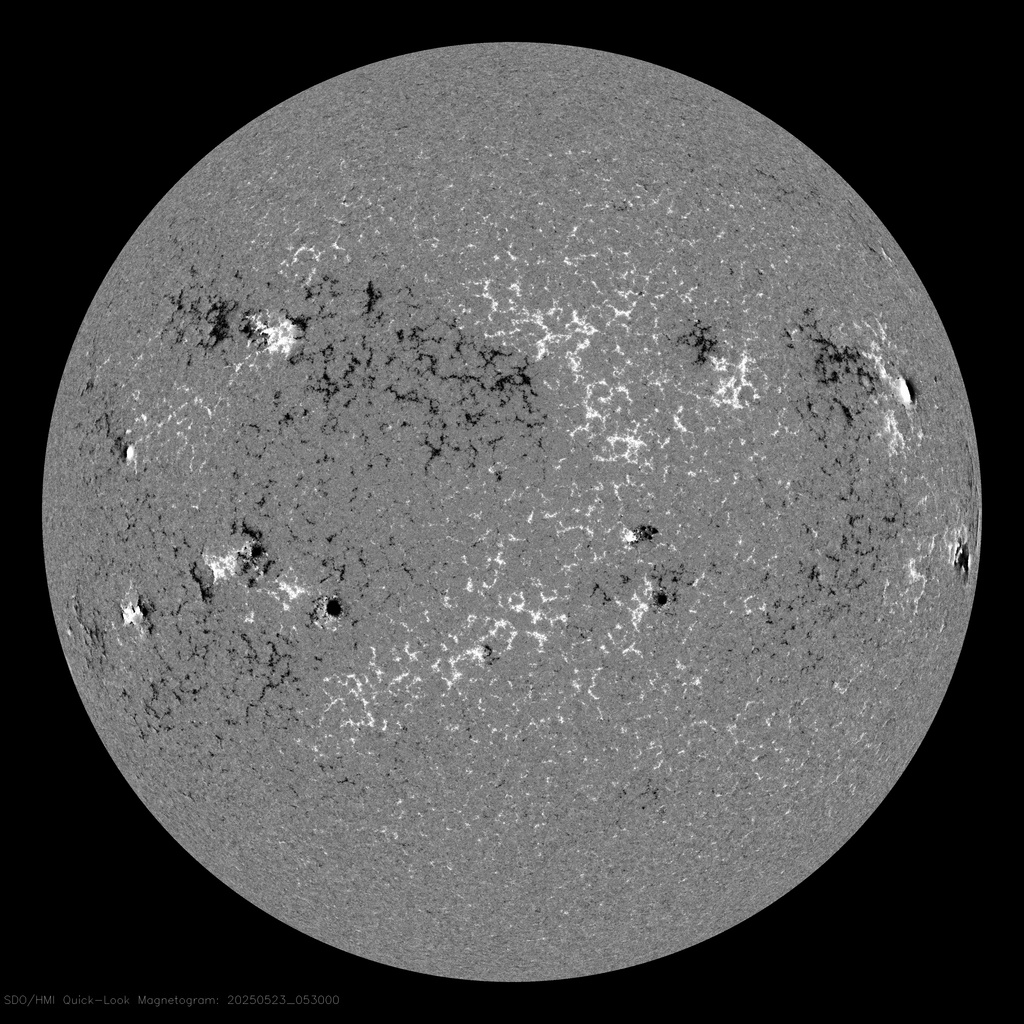
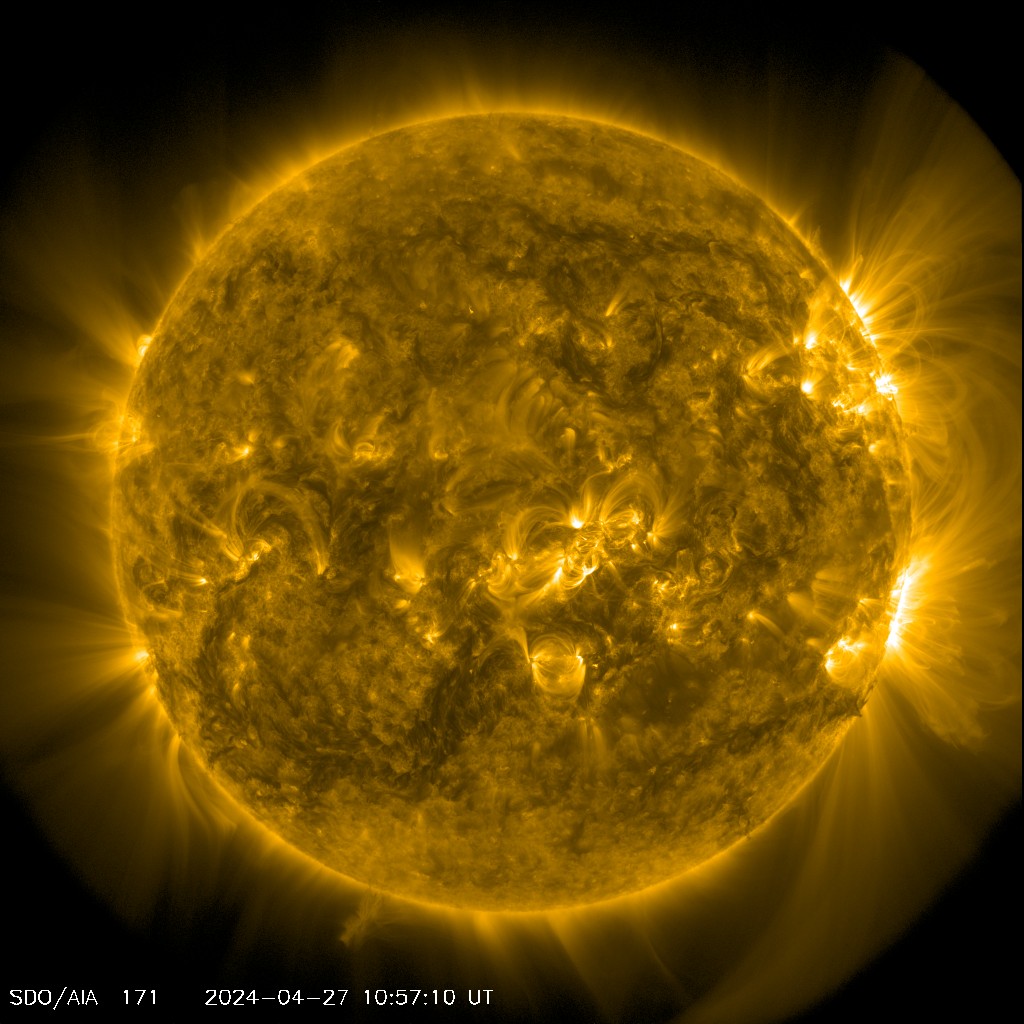
New SDO images have been added to the sidebar.

highs and lows of 1087

F10.7 Flux levels showing a rise, but at the same time the solar wind barely escaping solar gravity. In the middle is the sunspot number.

Many thanks go to Carl's brother Dave for providing the Domain, Server and Software.